
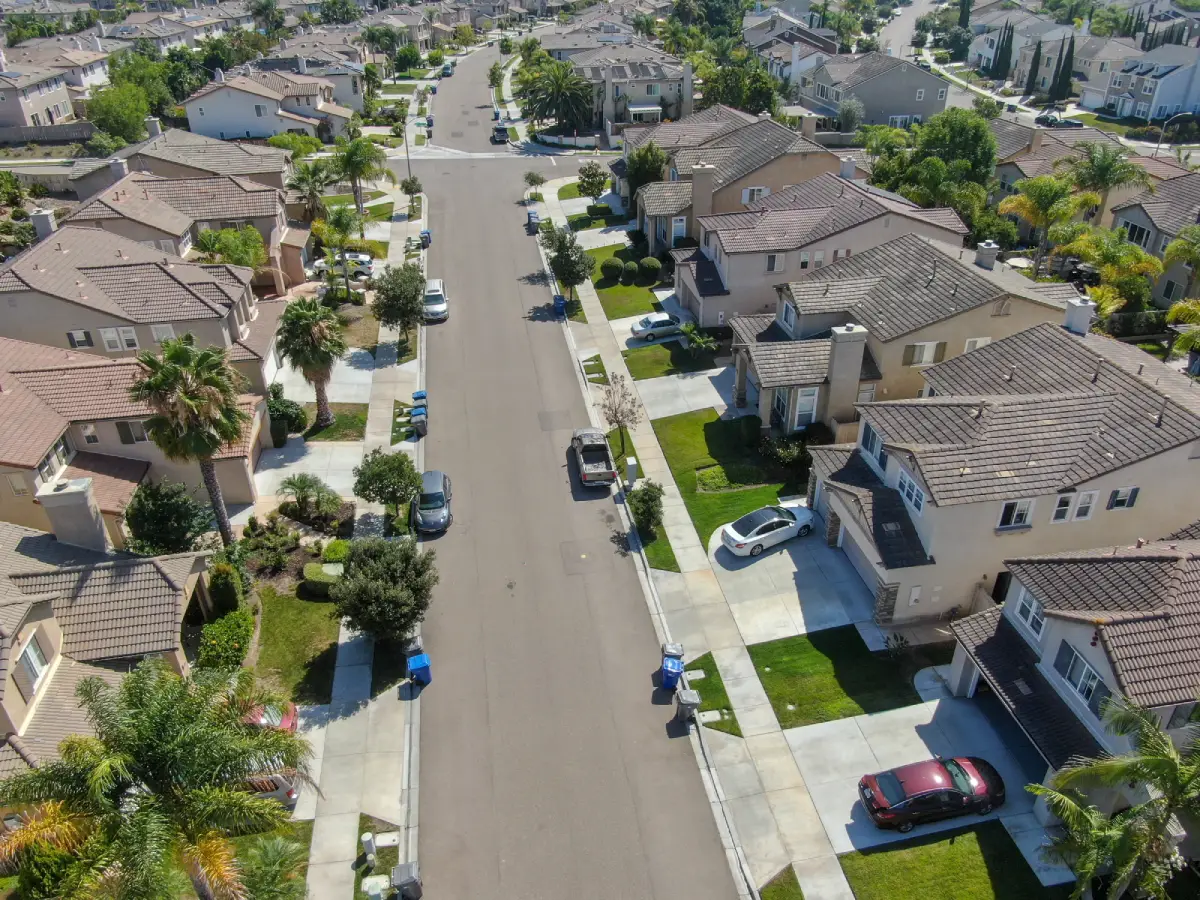
Neighborhoods thrive when vision meets responsibility. Across Phoenix, HOAs are redefining how to lead by prioritizing transparency, efficiency, and shared environmental goals. The Environmental, Social, and Governance (ESG) framework empowers associations to modernize community management while balancing sustainability with ethical leadership. Through ESG, HOAs can make practical changes that save resources, improve homeowner satisfaction, and build resilient, future-ready communities. To see how responsible oversight supports stronger associations, read our post on cybersecurity strategies for HOAs.
Key Takeaways
- ESG initiatives guide Phoenix HOAs toward sustainability and ethical governance.
- Energy-efficient upgrades strengthen community value and reduce expenses.
- Transparent leadership improves trust and homeowner relationships.
- Smart landscaping and water management enhance resource conservation.
- Resident participation creates long-lasting environmental progress.
The Role of ESG in Phoenix HOA Management
Arizona’s climate and community diversity make ESG practices a valuable approach for HOA boards. ESG promotes energy efficiency, social inclusion, and responsible decision-making that aligns with both state environmental goals and the expectations of modern homeowners.
Why ESG Matters for Desert Communities
Phoenix faces unique environmental challenges like high temperatures and limited water availability. ESG initiatives help communities address these issues while maintaining the comfort, beauty, and value of their neighborhoods.
Energy Efficiency That Builds Financial Strength
Energy-conscious upgrades give HOAs the power to reduce costs and make daily operations more sustainable. These efforts also contribute to Arizona’s ongoing renewable energy initiatives.
Solar Power for Common Areas
Solar panels on clubhouses and pool facilities significantly lower electricity costs and demonstrate long-term environmental commitment. State and utility incentives make renewable energy more affordable for community associations.
Smart Lighting and Climate Control
LED lighting and programmable thermostats reduce energy use without sacrificing comfort. Motion sensors and timers ensure systems run efficiently, especially during off-peak hours.
EV Charging Stations
With the rise of electric vehicles in Phoenix, adding charging access in parking areas makes communities more attractive to eco-conscious homeowners and future buyers.
Water-Smart Landscaping for Arizona Living
In a desert climate, water management defines sustainable success. HOAs can maintain vibrant outdoor spaces while conserving precious resources.
- Replace lawns with native desert plants that require minimal irrigation.
- Install weather-based irrigation systems that adjust automatically.
- Use permeable materials for pathways and patios to reduce runoff.
These methods save money, preserve local ecosystems, and align with Arizona’s long-term water conservation policies.
Waste Management and Environmental Awareness
Waste reduction and recycling programs are simple yet impactful steps toward sustainability. They build shared responsibility across the community and encourage eco-conscious habits among residents.
Recycling and Composting Stations
Organizing clear and consistent recycling bins ensures proper waste separation. Shared composting areas can turn organic waste into soil for community gardens or landscaping projects.
Recognition and Resident Engagement
Acknowledging residents who contribute to sustainability efforts, like recycling drives or clean-up events, fosters pride and increases participation.
To explore how compliance and collaboration improve HOA unity, read our guide on successful compliance strategies.
Building Infrastructure That Supports Longevity
Sustainable infrastructure enhances property value, reduces maintenance, and provides comfort for homeowners. ESG-based projects make communities more efficient and reliable in the long term.
Energy Audits and Modern Upgrades
Regular energy audits help identify inefficiencies in shared buildings. Retrofitting insulation, improving roofing materials, and upgrading HVAC systems can reduce utility costs and extend the life of facilities.
Smart Maintenance Systems
Digital tracking platforms help HOAs monitor work orders, maintenance schedules, and repairs. These systems save time and ensure that operations remain transparent and efficient.
Green Roofs and Gathering Spaces
Creating rooftop gardens or shaded outdoor areas enhances community appeal while reducing heat absorption. These additions promote both sustainability and social connection.
Building Connection Through ESG
The social element of ESG focuses on inclusion and engagement. HOAs in Phoenix can improve relationships among homeowners through open dialogue and community involvement.
- Build accessible walkways, ramps, and shaded seating for all residents.
- Organize volunteer events, cultural celebrations, or community markets.
- Use digital platforms to collect resident feedback and promote engagement.
These actions strengthen community bonds and create a greater sense of belonging.
Governance That Encourages Accountability
Ethical governance keeps HOAs transparent, compliant, and fair. ESG frameworks guide decision-making and help board members uphold strong leadership standards.
Open Communication
Sharing meeting minutes, financial reports, and project updates ensures transparency. This proactive approach builds trust and keeps residents informed.
Board Education and Training
Regular training sessions keep board members updated on Arizona HOA laws, cybersecurity, and sustainability policies. Continuous learning improves decision-making and accountability.
Setting Measurable Goals
Establishing clear ESG targets, such as reducing energy usage or improving recycling rates, provides benchmarks for long-term progress and community recognition.
For additional insight into asset preservation and financial planning, see our resource on community asset management.
Resident Engagement for Lasting ESG Success
The most effective ESG programs succeed when residents participate. Engaging homeowners creates shared ownership of community goals and increases the success rate of every initiative.
- Create sustainability committees to lead local projects.
- Host educational sessions about energy use and recycling.
- Publish ESG updates through digital newsletters or meetings.
- Recognize resident contributions to ongoing efforts.
These practices promote cooperation and encourage continued involvement.
Measuring ESG Progress
Tracking data helps boards stay accountable and make informed adjustments. Monitoring energy savings, water usage, and participation rates demonstrates commitment and progress.
Partnering with Local Organizations
Collaborating with Phoenix environmental groups, schools, or municipal programs provides valuable resources and community outreach opportunities. Partnerships strengthen project credibility and expand impact.
Building a Culture of Sustainability
When ESG becomes part of everyday decision-making, it transforms the HOA’s reputation and builds trust among residents. A culture of sustainability leads to financial stability, efficiency, and community pride.
FAQs about ESG Projects in Phoenix, AZ
How can ESG help HOAs prepare for extreme weather in Phoenix?
By investing in efficient cooling systems, drought-resistant landscaping, and smart water management, HOAs can protect property assets while reducing the strain of Arizona’s desert climate.
What role does technology play in ESG implementation?
Digital tools help track energy use, automate maintenance tasks, and ensure transparency, making ESG reporting and decision-making easier for HOA boards and residents.
How can ESG initiatives improve community relationships?
Programs that involve residents, like shared garden projects or sustainability fairs, create opportunities for collaboration and strengthen neighborhood trust.
What are common mistakes HOAs make when starting ESG projects?
Boards sometimes overlook resident education, underestimate initial planning costs, or fail to measure results, which can slow long-term progress.
Can ESG strategies help attract new homeowners to Phoenix communities?
Yes, neighborhoods that adopt sustainability and ethical management practices often appeal to buyers seeking efficient, forward-thinking communities that align with modern values.
Shaping the Future of Phoenix Communities
Progress happens when HOAs lead with clarity and purpose. By focusing on ESG principles, boards can build neighborhoods that value sustainability, fairness, and unity while improving the quality of life for every resident. Responsible management strengthens relationships, reduces waste, and prepares communities to thrive for decades.
To move forward with confidence, implement smarter HOA management strategies through PMI PHX SW and start transforming your association into a model of accountability, innovation, and long-term community success.
